

At a Glance: The First 10 Days of Ramadan
- The Theme: Known as the Phase of Rahmah (Mercy), these first ten days are dedicated to seeking Divine compassion and softening the heart.
- The Goal: Spiritual recalibration—transitioning from worldly distractions to a state of God-consciousness (Taqwa).
- Key Practices: Renewal of intention (Niyyah), increased remembrance (Dhikr), and practicing mercy toward others through charity and forgiveness.
- The Reward: Establishing a spiritual foundation that makes the subsequent phases of Forgiveness and Salvation more attainable.
Ramadan has finally arrived, bringing with it a profound shift in the atmosphere of our lives. The spiritual marathon is officially underway. We embark on this sacred journey with hearts full of intention, seeking a transformative nearness to the Divine that only this month can offer.
While the entire month is a blessing, the first ten days hold a unique and vital significance. They serve as the foundation of our spiritual building—a period dedicated to the most beautiful of Divine attributes: Mercy.
The Phase of Rahmah: Understanding Divine Mercy
The Prophet Muhammad (peace be upon him) beautifully described the first third of Ramadan as the period of “Rahmah” — Divine Mercy. But what does this truly mean for the modern seeker?
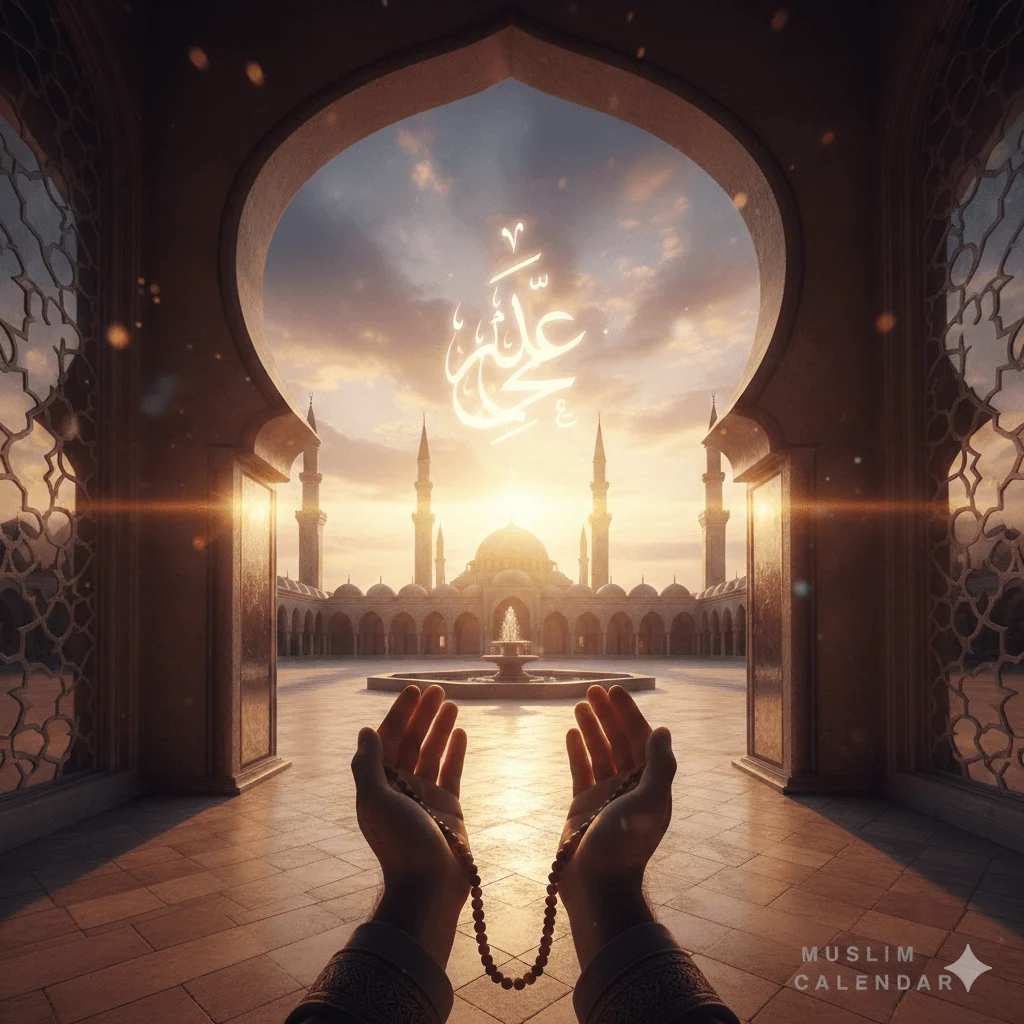
This is the season when the doors of heaven are flung wide, and the metaphorical clouds of compassion rain down upon every seeking soul. It is a time when the “spiritual friction” of the world eases, making it easier for our hearts to turn back to their Creator. Mercy in this context isn’t just the absence of punishment; it is an active, enveloping love that heals our internal fractures and restores our sense of purpose.
The Psychology of the First 10 Days Of Ramadan
Often, we enter Ramadan with a “sprint” mentality, but these first ten days are actually about re-calibration. After a year of worldly distractions, our souls might feel a bit stiff or resistant. The Mercy of the first ten days acts as a spiritual lubricant, softening the heart so it can be molded for the deeper worship of the middle ten days (Forgiveness) and the final ten (Salvation).
Setting Your Spiritual Compass
To truly unlock these gates, we must be intentional. Mercy is a gift, but we must prepare our vessels to receive it.
1. Renew Your Intention (Niyyah)
Every act of worship begins with the heart. Ask yourself: Why am I fasting? Is it a habit, or is it a conscious choice to draw closer to the Source of Mercy? Remind yourself of your “why” every single morning before the first light of dawn. A renewed intention transforms a physical struggle into a spiritual ascent.
2. The Power of Dhikr
Don’t let your spirituality be confined to the prayer mat. Let your tongue stay moist with the remembrance of Allah throughout your workday, your commute, and your chores. Simple phrases like SubhanAllah (Glory be to Allah) or Astaghfirullah (I seek forgiveness from Allah) act as anchors, keeping your mind connected to the Divine Mercy even when you are busy.
3. Charity of the Soul
Mercy is a circular energy; it isn’t just something we receive—it is something we must actively give to others. In these ten days, challenge yourself to be a vessel of mercy for those around you. Forgive a long-standing grudge, speak a kind word to a stranger, or simply offer a smile. To receive Rahmah, we must practice Rahmah.
Cultivating a Heart of Compassion
During this initial phase, we are invited to reflect deeply on the nature of compassion. It is more than just a fleeting feeling of kindness; it is a profound recognition of our shared humanity and our collective need for Divine grace.
As the Holy Qur’an reminds us: “My Mercy encompasses all things”. If Divine Mercy covers everything in existence, then surely there is enough for you, regardless of your past mistakes or current shortcomings. This realization should provide immense relief and encouragement. No one is “too far gone” to step into the shade of Allah’s Rahmah.
Practical Steps to Maximize Your First 10 Days Of Ramadan
To move from theory to transformation, try incorporating these four pillars into your daily routine:
I. Consistent and Mindful Prayer
Prioritize your five daily prayers and the nightly Taraweeh. However, don’t just focus on the movements. Try to arrive at your prayer mat five minutes early to settle your mind. Use these moments to ask specifically for Rahmah: “O Allah, You are the Most Merciful, shower Your Mercy upon my heart today.”
II. A Deep Quranic Connection
Aim to read a portion of the Qur’an every day, but move beyond just finishing pages. Reflect deeply on the verses that mention Mercy. When you come across the word Rahman or Raheem, pause. Let that specific attribute sink in. The Qur’an is the ultimate manual for unlocking the heart.
III. The 10-Minute Pre-Iftar Reflection
The moments before breaking your fast are among the most spiritually charged. Take ten minutes before the Adhan to evaluate your character and ask for forgiveness. This is a prime time for Dua (supplication). Ask for the strength to maintain your momentum for the rest of the month.
IV. Small, Consistent Deeds
The Prophet (pbuh) taught us that the most beloved deeds to Allah are those that are consistent, even if they are small. Don’t try to change your entire life in one day. Pick one “Mercy Habit”—like giving a small amount to charity daily—and stick to it.
Encouragement for the Road Ahead
If you feel tired, if your head aches, or if you feel like you haven’t done “enough” yet—remember that you are in the days of Mercy. This phase is designed to catch those who are struggling. You don’t have to be perfect to be worthy of Divine Compassion.
The struggle itself is a form of worship. Every moment of hunger and every minute of lost sleep is a testament to your love for the Divine. You are a guest of the Most Merciful, and a host never let’s their guest leave empty-handed.
Conclusion
As we navigate these first ten days, let us be mindful of the immense opportunity before us. The gates are open. The invitation has been extended. Will you step through and embrace the mercy waiting for you?
Don’t let these days slip away as mere dates on a calendar. Use them to soften your soul, mend your relationships, and reconnect with your Creator.
Make every day of Ramadan a day of mercy.
First 10 Days of Ramadan : Frequently Asked Questions
1. What is the significance of the first 10 days of Ramadan?
The first ten days of Ramadan are traditionally known as the “Phase of Rahmah” or Divine Mercy. It is a period for believers to recalibrate their spiritual focus, seek Allah’s compassion, and soften their hearts through prayer and remembrance.
2. Why are the first 10 days called the days of Mercy (Rahmah)?
Based on prophetic tradition, Ramadan is divided into three parts, with the first third being a time when the “gates of heaven are flung wide” and Divine compassion is especially accessible to those seeking nearness to the Divine.
3. What are the best ways to seek mercy during this time?
You can maximize this phase by renewing your intention (Niyyah), maintaining consistent dhikr (remembrance), and practicing “charity of the soul” by showing mercy and kindness to others.
4. How can I stay spiritually motivated if I feel tired early in Ramadan?
It is natural to feel physical fatigue as your body adjusts. Focus on small, consistent deeds—such as a ten-minute reflection before Iftar—rather than trying to achieve perfection immediately. Remember that the struggle itself is considered a form of worship.
5. What should I focus on reading during the first 10 days?
While reading the entire Qur’an is a common goal, during the phase of Mercy, it is beneficial to reflect deeply on verses that highlight Allah’s attributes as Ar-Rahman (The Most Merciful) and Ar-Raheem (The Especially Merciful).
Read More From Our Blogs About :
Citations:
Download Muslim Calendar App To Start Updated On Ramadan Dates In Hijri Style